Barn House Penguin
The Brief & Vision
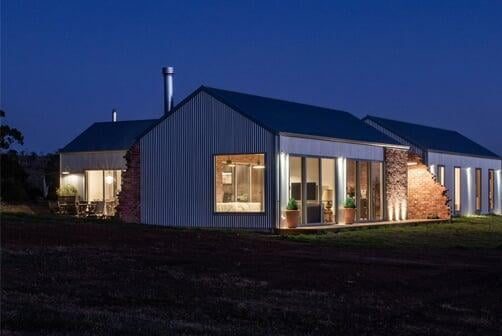
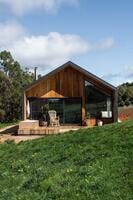
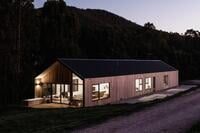
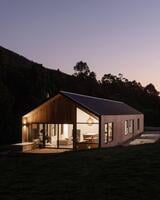
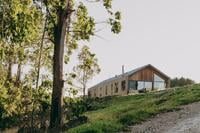
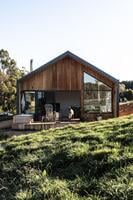
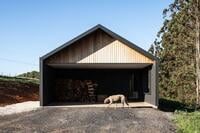
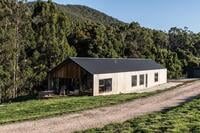
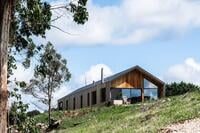
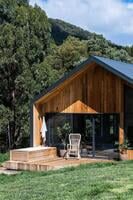
Our clients expressed a desire for this home to sit in its surroundings as though it had always been there — a simple yet timeless barn. They wanted a home that felt honest, unpretentious, and deeply connected to the rolling pastoral landscape of Penguin on Tasmania's North-West Coast. The brief was clear: create a dwelling that channels the agrarian vernacular of the region while delivering all the comfort and performance of a modern home.
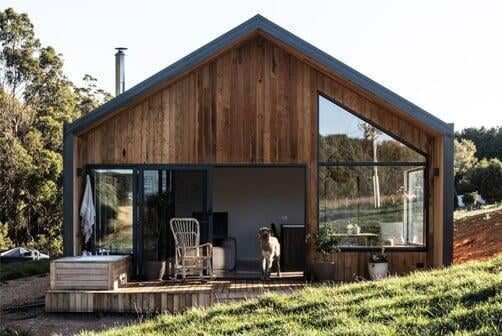
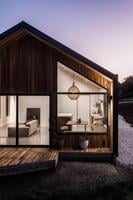
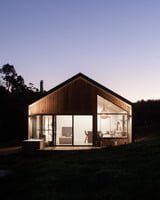
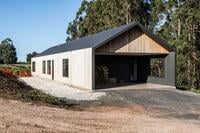
The name says it all. Barn House Penguin is exactly what it promises — a home that borrows its form from the rural sheds and barns that dot the Tasmanian countryside, reinterpreted with contemporary precision and a refined material palette. Every decision, from the roofline to the cladding colour, was made in service of this singular vision: belong to the land.
Site & Design Response
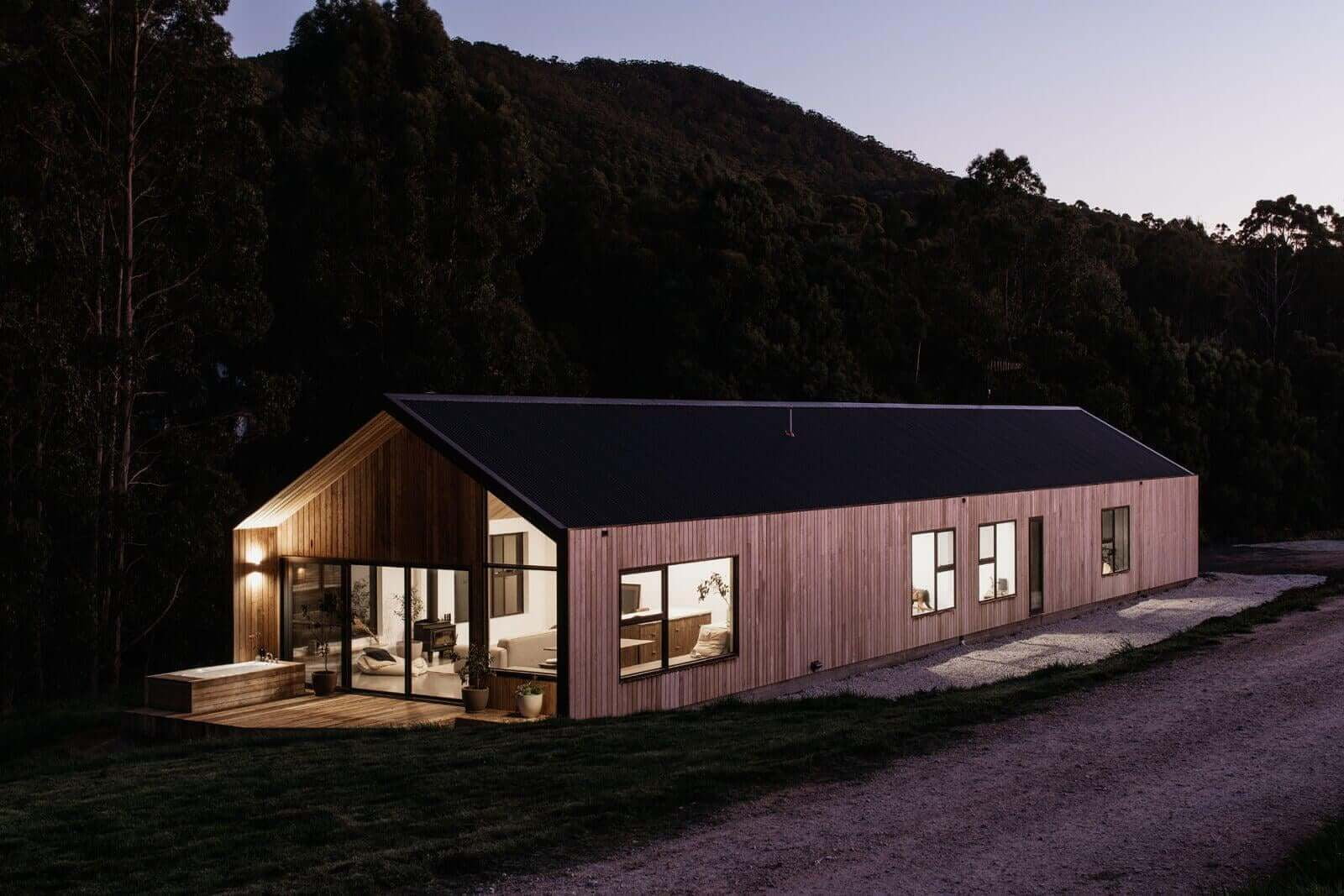
The site offered gently undulating farmland with long views toward the coast and the rich, green hinterland that characterises this part of Tasmania. Clever design kept the home compact and narrow, allowing it to rest effortlessly in the natural lay of the land. Rather than fighting the topography, the building follows the contour, its elongated form stepping subtly with the grade.
The narrow footprint was a deliberate strategy — not only does it reduce the visual mass of the building when viewed from the road, but it also ensures that every room benefits from cross-ventilation and natural light from at least two sides. The orientation was carefully calibrated to maximise northern solar gain through the living spaces while the bedroom wing retreats to the quieter, southern side of the plan.
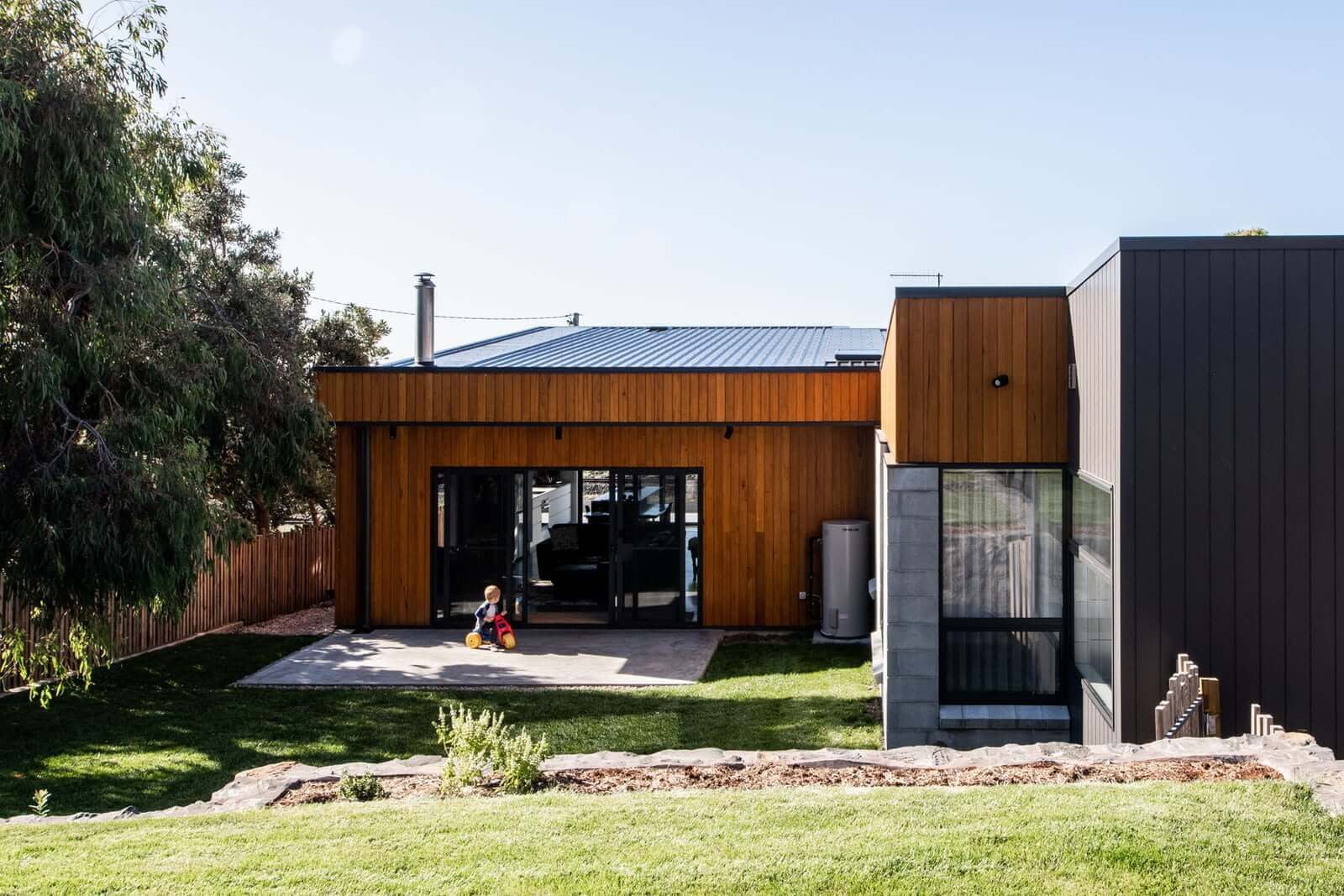
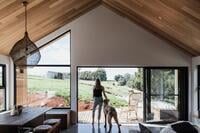
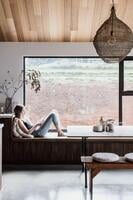
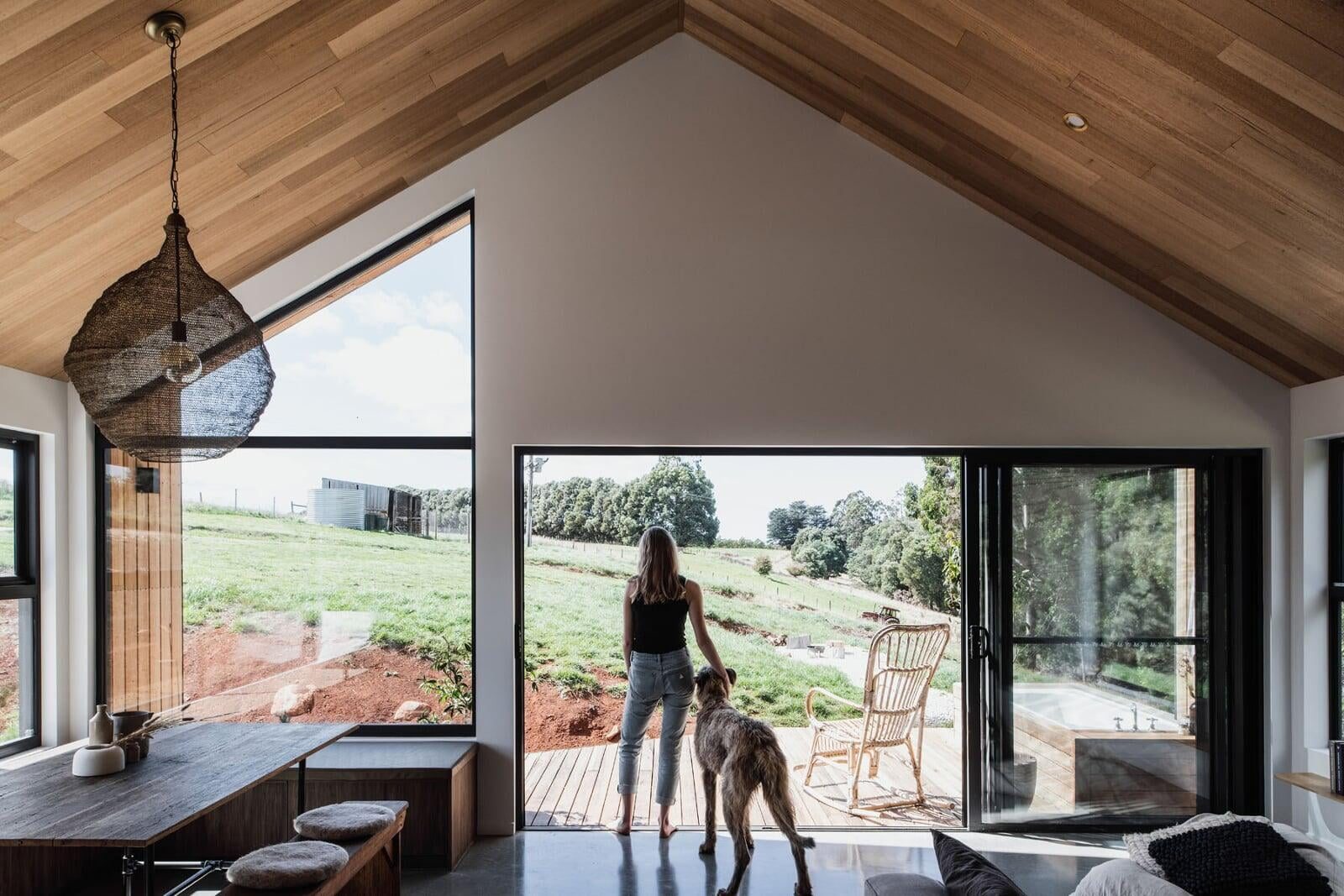
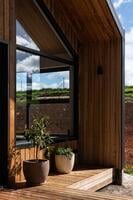
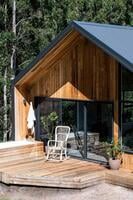
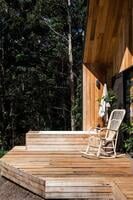
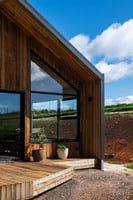
Large openings on the northern elevation bring the paddocks inside, blurring the boundary between interior and exterior. A sheltered deck extends the living area outdoors, protected from the prevailing winds by the building form itself — no bolt-on screens or awkward additions, just intelligent planning.
Materials & Craftsmanship
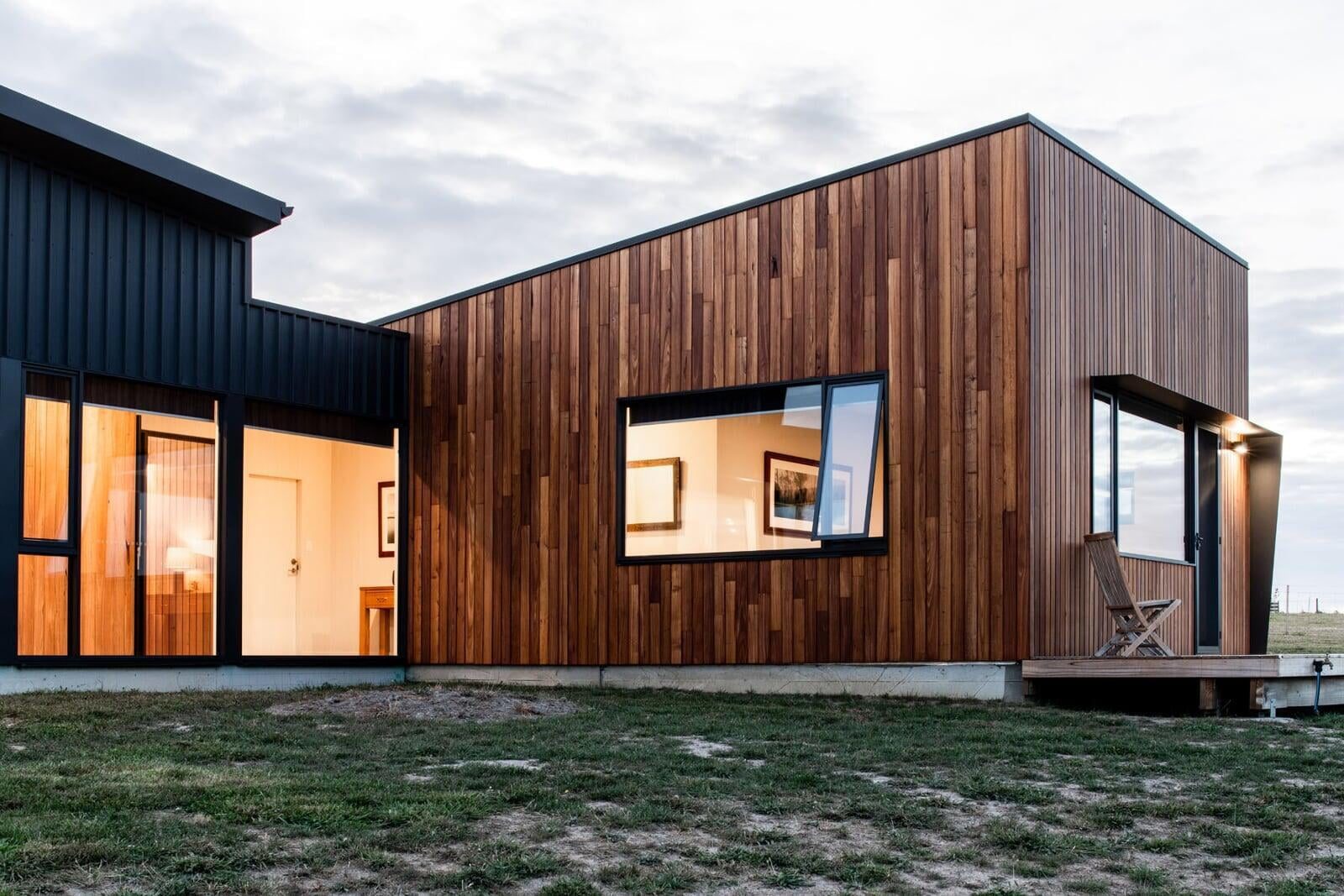
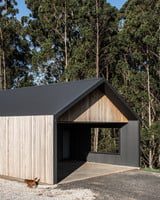
An earthy material palette grounds the home in its context. The exterior is clad in a combination of vertical timber boarding and metal sheeting, chosen for their agricultural references and their ability to weather gracefully over time. The colour palette draws directly from the surrounding landscape — muted greens, charcoal, and natural timber tones that shift with the seasons.
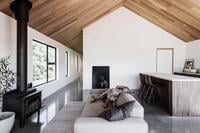
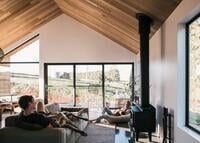
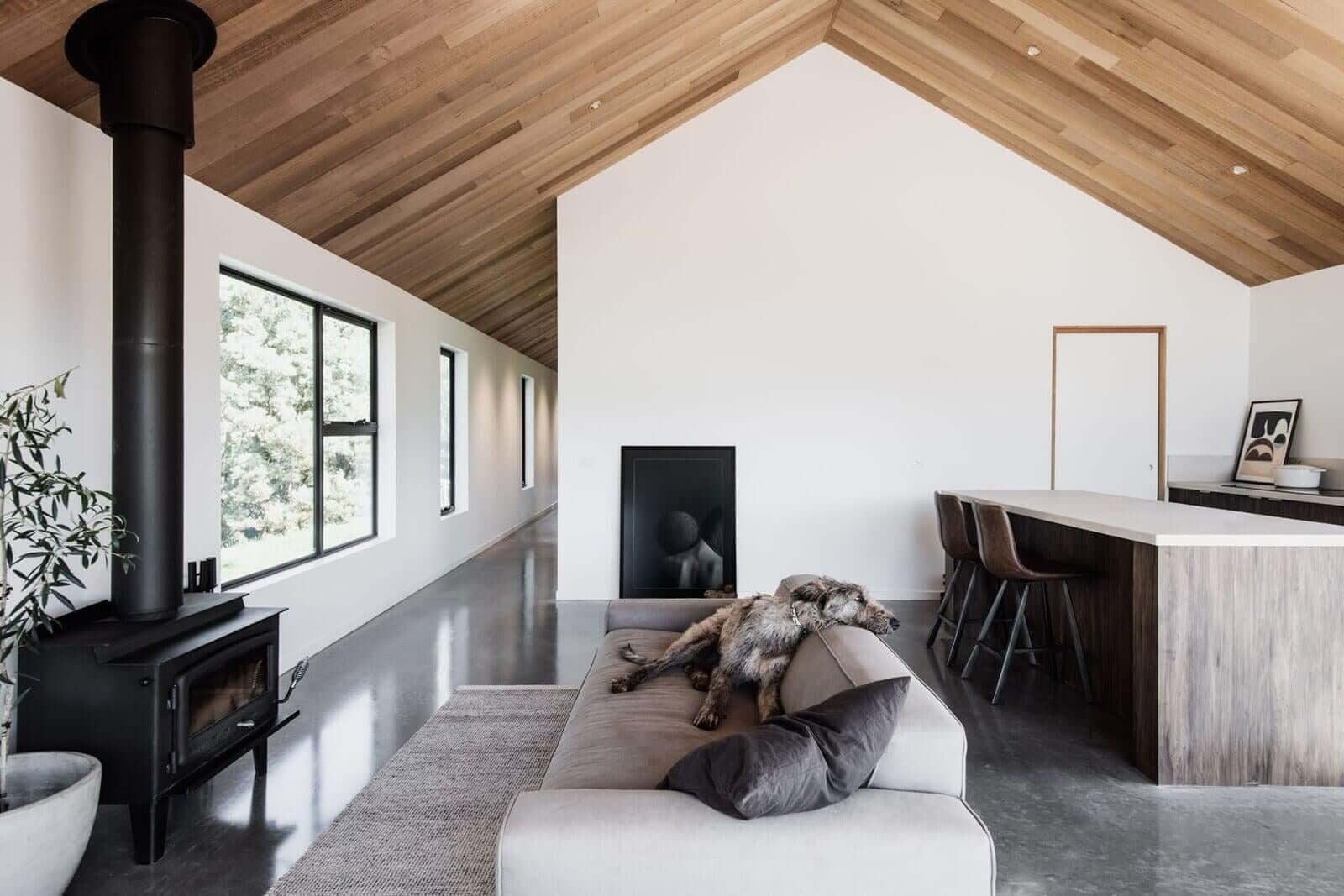
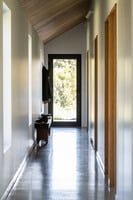
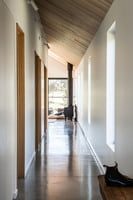
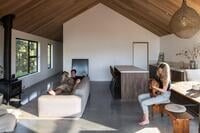
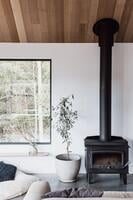
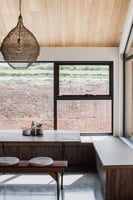
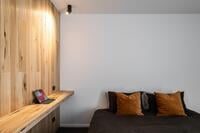
Internally, the barn aesthetic continues with exposed structural elements, high raking ceilings that follow the roof pitch, and an open plan that echoes the generous proportions of a traditional hay barn. Polished concrete floors provide thermal mass, absorbing winter sun and releasing warmth slowly through the evening hours. Timber linings on the ceiling add warmth and acoustic softness to the main living volume.
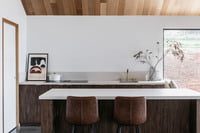
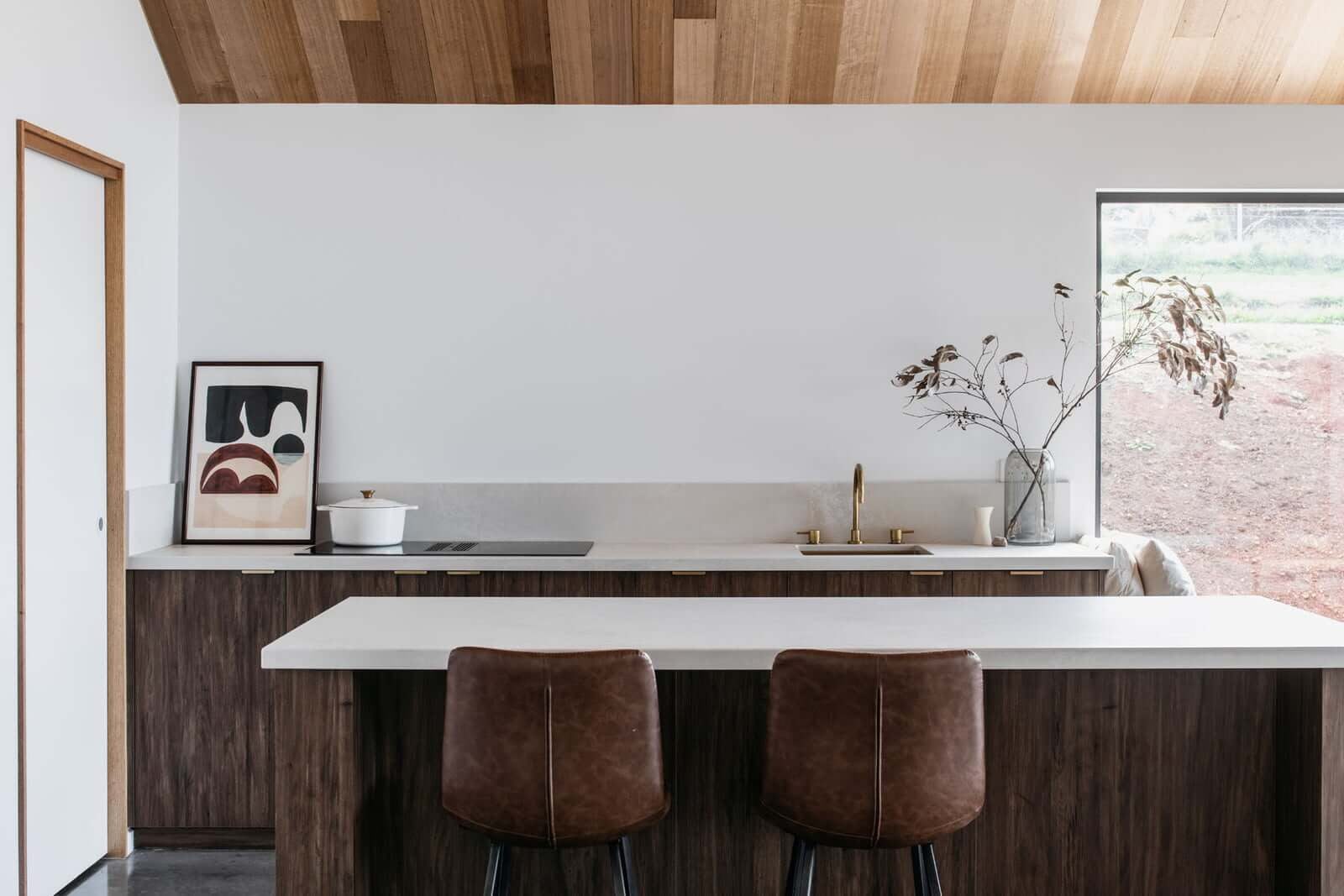
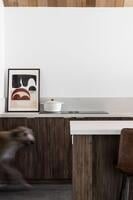
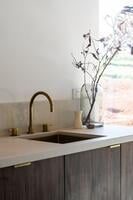
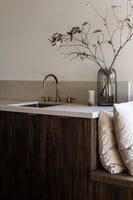
The kitchen is the heart of the home — a long, functional bench that serves as both preparation space and gathering point. Clean lines, integrated appliances, and a restrained material palette ensure the kitchen feels like part of the architecture rather than an afterthought. Throughout the home, joinery is detailed with the same care as the structure — shadow lines are consistent, hardware is minimal, and every junction is resolved with precision.
Living Experience
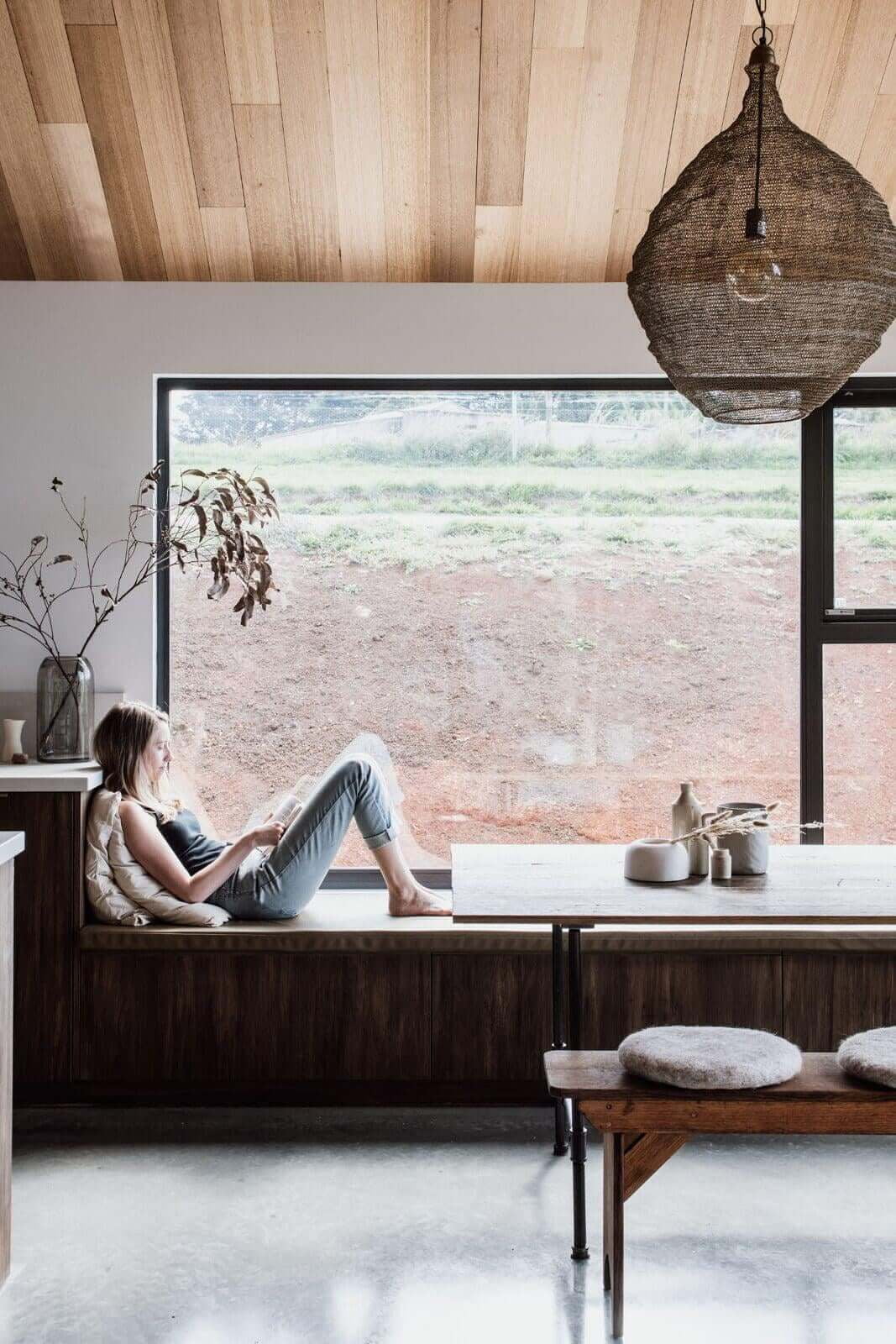
Living in Barn House Penguin is an exercise in simplicity. The open plan living, dining, and kitchen space is the social centre — a generous volume under the raking ceiling that feels expansive without being cavernous. Views from this space extend across the paddocks, and the changing light through the day creates a constantly evolving interior atmosphere.
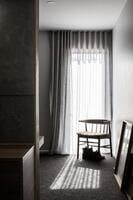
The bedroom wing is deliberately more intimate, with lower ceiling heights and smaller, carefully placed windows that frame specific views while maintaining privacy. The master suite opens to a private courtyard — a sheltered outdoor room that catches morning sun and provides a quiet retreat.
Outside, the landscape has been left largely untouched. Native grasses and existing vegetation were preserved wherever possible, and new planting was limited to endemic species that will naturalise over time. The result is a home that appears to have grown from the ground rather than been placed upon it — exactly as our clients imagined.



Also building in
More Projects